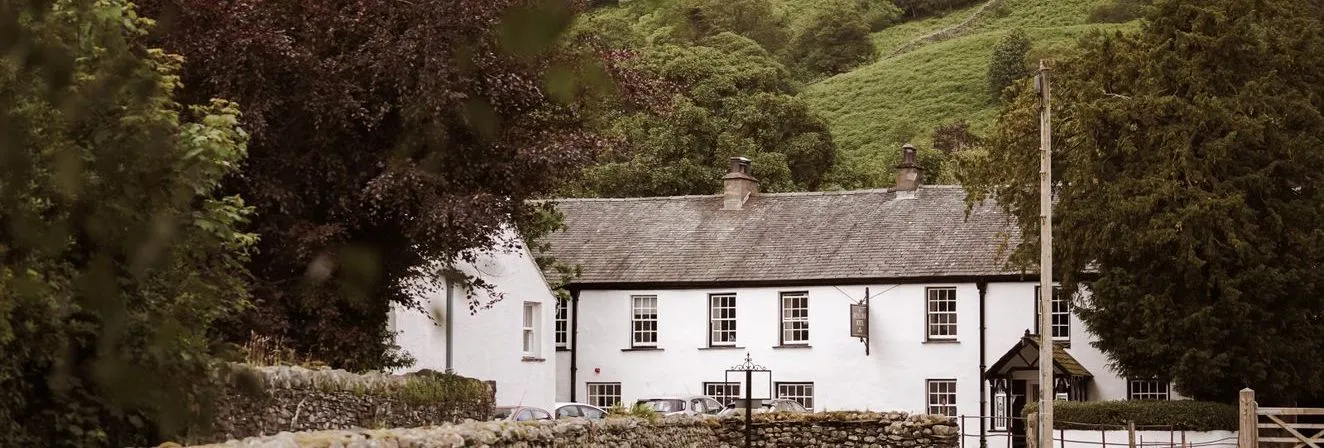
White country inn beneath a lush green hillside, framed by trees and dry-stone walls.

The History of the Royal Oak

The Royal Oak has long been part of life in Rosthwaite, with roots stretching back centuries. Although the original construction date of the old farm is unknown, the property was rebuilt somewhere between 1740 and 1780, around the time slate was discovered in Borrowdale and the valley’s farming and wool trade were thriving. 

Since then, the building has served many purposes and welcomed visitors from far and wide. It’s story is closely tied to the changing character of Borrowdale, and many of those earlier chapters are still present in the hotel today. 

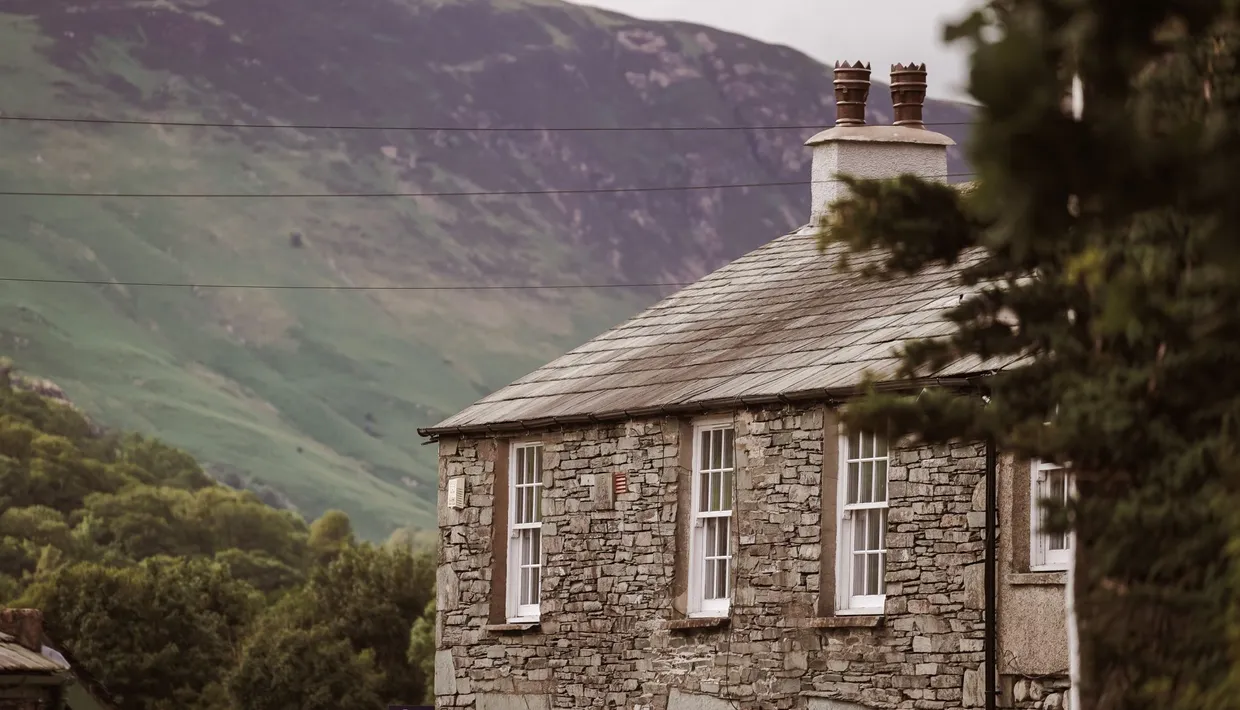
Traditional stone cottage with a slate roof set against a green mountain valley

The Royal Oak’s Story

Long before it became Royal Oak, the building was known as Rosthwaite House and traded as the Miners Arms. It was a local drinking spot for the miners working in the valley’s slate mines.

Historical records show that the property changed hands several times, with the earliest of them from 1823 naming Mary Coates as the licensee. In the years that followed, the property passed to John Simpson, and then to his wife Sarah in 1832, who decided to take the inn in a different direction.

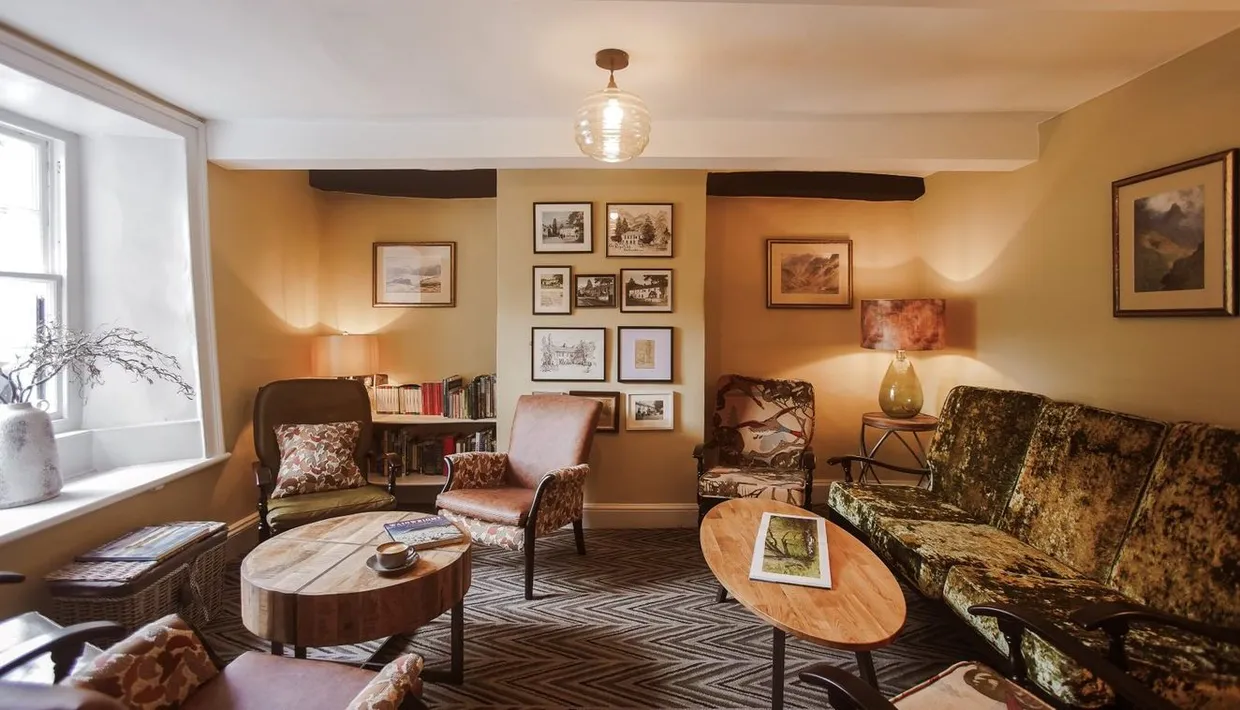
Warm vintage-style sitting room with patterned armchairs, velvet sofa, wooden coffee tables and framed artwork.

Sarah renamed the building the Royal Oak Inn, and aimed to attract visitors to Borrowdale, offering eight letting rooms and a more comfortable place to stay. Her plan came to fruition, with a report in the Westmorland Gazette from 1832 recording that Sarah hosting a tea party for 14 ladies from Keswick – a rather different picture from the miner’s drinking hole occupying the building prior. 

During its long history, the property has also been used as an auction house, hosted dinners following the local fox hunt and held sporting events including running races and leaping competitions. 

The Royal Oak even has a connection to one of the Lake District’s best-known poets. In 1812, William Wordsworth stayed at the property and shared a bed for the night with a Scottish pedlar. So, more than two centuries later, you can still stay beneath the same roof and experience a small part of the history that has shaped our hotel.

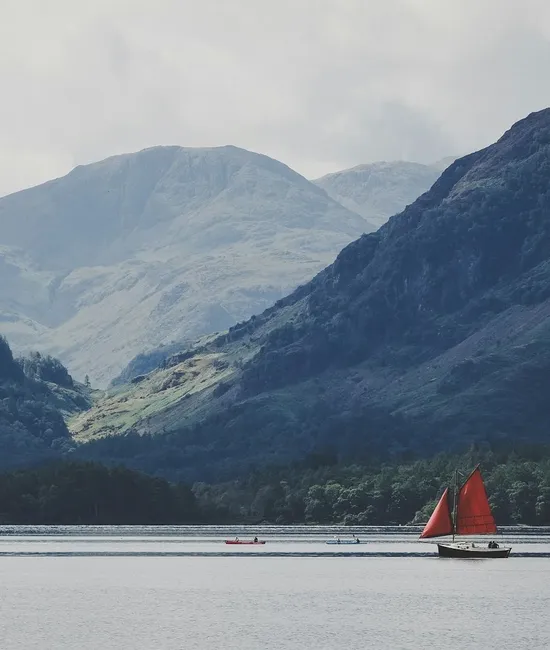
Sailing boat with bright red sails on Derwentwater beneath misty Lake District fells.

The Hotel and Borrowdale

The Royal Oak has always been closely connected to the valley around it. Early on, the discovery of slate brought new activity and trade, then by the nineteenth century the Royal Oak was deliberately being positioned as a place for visitors to stay and explore the valley. 

The hotel has changed hands around eight times since 1862, but its purpose as a place to stay, eat and discover the surrounding landscape has remained.
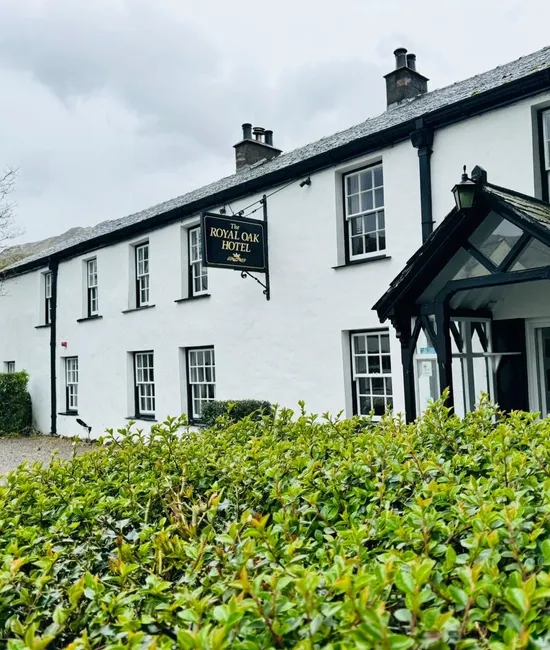
Exterior of The Royal Oak Hotel, a white traditional country inn with a black timber porch and slate roof.

Historic Character Today

The Royal Oak has continued to evolve while retaining the characterful identity of its older buildings. One of the more recent additions is the four-bedroom building in the courtyard, constructed by the Dowie family in 1999, was designed with special consideration of the existing property so that it’s sits naturally alongside the wider hotel.

Today, the Royal Oak brings together the comforts of a modern stay and its historic, characterful connection to the history of Borrowdale.

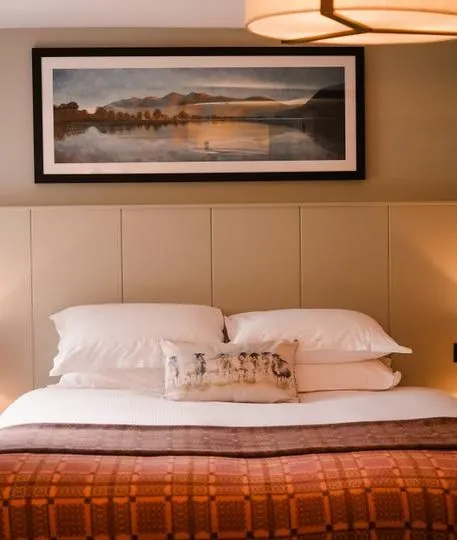
Cosy bedroom with a double bed, warm bedside lamps and framed landscape artwork.

Staying Somewhere With a Sense of Place

Staying at the Royal Oak offers the unique experience of becoming part of a story that has been centuries in the making. The building you stay in with us has housed miners and celebrated poets, hosted local events and watched generations of visitors discover Borrowdale. 

Today, we invite you to enjoy the same setting in your own way, with comfortable rooms, good food and the fells of the Lake District waiting beyond the door.


BOOK DIRECT